Underpainting Made Easy: A Softer Makeup Technique for Mature Skin
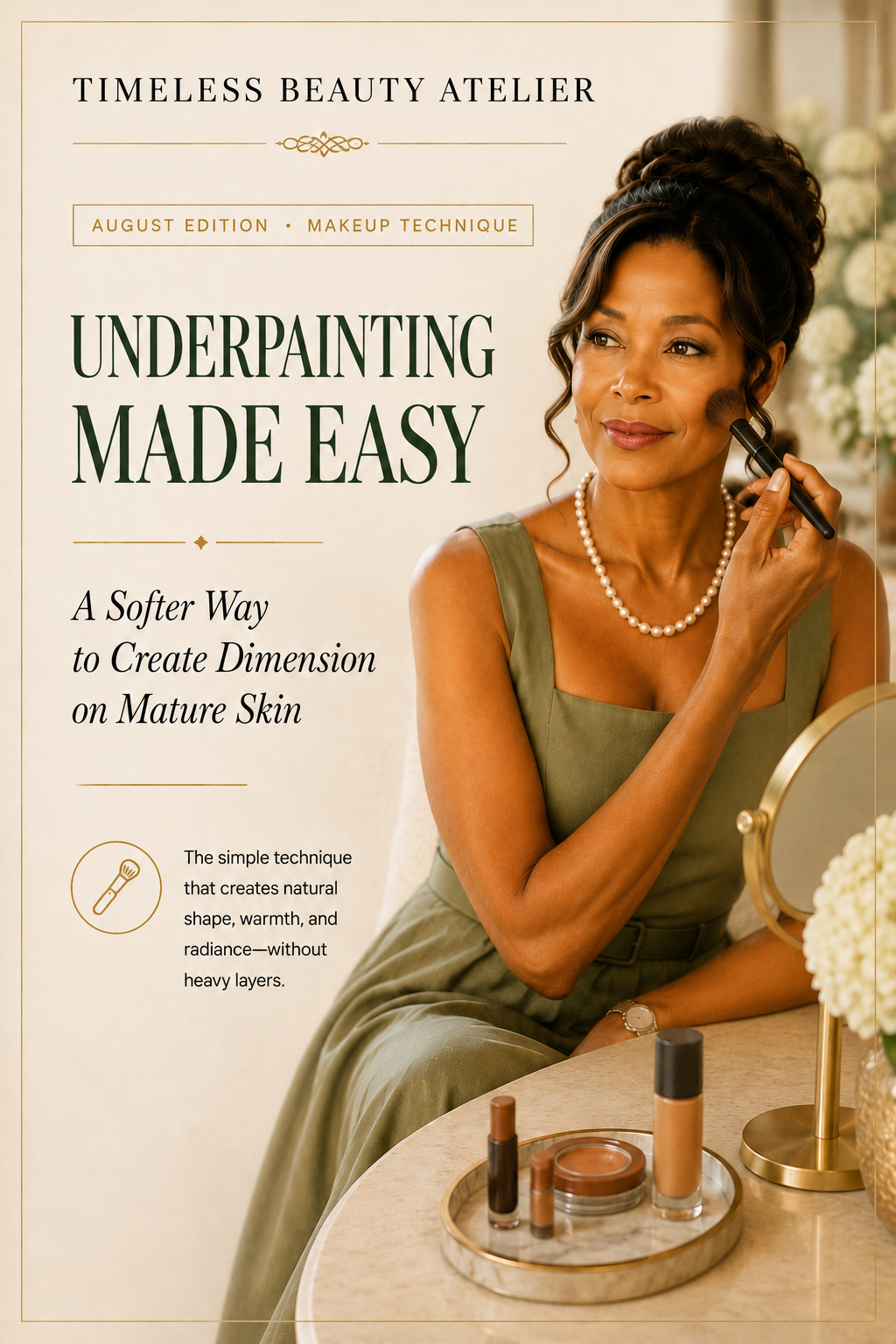
Underpainting Made Easy
A Softer Way to Create Dimension on Mature Skin
There is a point in our beauty lives when adding more makeup stops creating a more polished result. Foundation becomes heavier. Contour becomes more obvious. Blush sits on top of the skin instead of seeming to belong to it. And the harder we work to create dimension, the more makeup we can sometimes see.
That doesn’t mean mature skin can’t wear contour, bronzer, blush, or a beautifully perfected complexion. It may simply mean the order in which we apply them deserves another look. That is where underpainting comes in.
Underpainting sounds like one of those techniques invented for makeup artists and social media tutorials. In reality, the idea is beautifully simple: instead of placing all of your color and definition on top of foundation, you place some of it underneath. The result can be softer, more diffused, and especially flattering on mature skin.
What Exactly Is Underpainting?
Traditional makeup application usually begins with foundation, followed by concealer, contour or bronzer, blush, and perhaps highlighter. Underpainting changes that sequence. Cream contour, bronzer, blush, and sometimes concealer are applied first. A light layer of foundation or skin tint is then blended over them. Think of it less as covering the color and more as veiling it.
The foundation softens the edges underneath, allowing the warmth and dimension to appear as though they are coming through the complexion rather than sitting on top of it.
Done well, you shouldn't immediately think, She's wearing contour. You simply notice that the face looks dimensional, warm, rested, and alive. And that distinction matters.
Why It Can Work So Beautifully After 50
As skin matures, texture often becomes more visible and the natural contours of the face gradually change. Our instinct can be to compensate by adding more coverage or creating stronger definition. But heavier layers aren't always the answer.
Underpainting allows us to use less visible product while still creating shape. Because the strongest pigments sit beneath a thin complexion layer, their edges become naturally diffused. That can eliminate some of the harshness that traditional contouring creates. It also gives blush a wonderful quality on mature skin. Rather than looking like a stripe of color placed across the cheek, it can appear almost as if the skin itself has developed a healthy flush. The goal isn't to sculpt your face into somebody else's face.
It is to quietly enhance the architecture already there.
Start With Skin, Not Makeup
Underpainting works best when the skin underneath it is comfortable and well prepared. Begin with your normal skincare and allow it to settle before applying makeup.
If your skin tends toward dryness, hydration becomes especially important because cream products generally blend more gracefully over supple skin than over a dry surface.
But resist the urge to create an overly slippery base. Too many layers of skincare, primer, and emollient products can cause everything placed over them to move around.
You want the skin hydrated — not skating.
Step One: Add Gentle Definition
Choose a cream contour or bronzing product that isn't dramatically darker than your natural complexion. This is not the moment for a severe stripe beneath the cheekbone.
Use a small amount around the areas where you naturally want dimension: perhaps beneath the cheekbones, around the perimeter of the forehead, along the temples, or very lightly beneath the jaw. Then blend. And blend a little more. One of the secrets to elegant mature makeup is recognizing when enough really is enough. The contour should create a suggestion of shadow rather than announce itself.
Step Two: Bring Life Back With Blush
Now add cream blush. Placement matters more than quantity. Rather than automatically applying blush low on the apples of the cheeks, experiment with placing it slightly higher and blending it upward toward the temples. That doesn't mean everyone over 50 must wear blush high on the face. Facial structure is individual.
But upward placement can create a beautifully lifted impression without drawing a single artificial line. Choose a shade that makes your complexion look alive — rose, berry, peach, coral, or another tone that naturally harmonizes with your coloring. Then blend the edges until the blush seems to become part of the skin.
Step Three: Use Concealer Strategically
Underpainting does not require covering every shadow or discoloration. Use concealer where it genuinely improves the complexion. That might mean the inner corners beneath the eyes, around the nose, or on an isolated area of discoloration. One of the great advantages of this technique is that it encourages you to stop treating the entire face as though everything needs correcting. Some variation in skin tone is human. And beautiful skin should still look like skin.
Step Four: Add the Veil
Now comes the part that makes underpainting work. Apply a light layer of foundation or skin tint over everything you've created. Not a mask. A veil. Start with less than you think you'll need. Work from the center of the face outward, using a damp sponge, brush, or your preferred method. Instead of vigorously buffing the foundation into the skin, try pressing and lightly blending it so you don't completely disturb the work underneath. You should still see hints of warmth, blush, and dimension coming through. If everything disappears, you've probably used too much foundation. And that's useful information for next time.
Step Five: Add Back Only What You Need
Once the complexion is blended, look at your face before automatically reaching for more products. Perhaps the blush is perfect. Perhaps you'd like another tiny touch.
Maybe the cheekbones need slightly more warmth. Add only what the face asks for. This is one of my favorite principles of makeup after 50: Finish by observing, not by following a checklist. You don't have to use every product simply because it's sitting on the vanity.
What Underpainting Should Not Become
Like most beauty techniques that become popular, underpainting can easily be taken to extremes. Huge areas of dark contour, bright concealer, intense blush, followed by heavy foundation may photograph dramatically — but that's not what we're trying to accomplish here. For Timeless Beauty Atelier, underpainting is interesting for exactly the opposite reason. It offers us another way to practice restraint. We're not trying to manufacture a new face underneath our foundation. We're creating subtle dimension so that we can ultimately wear less visible makeup. That is a much more sophisticated proposition.
The Timeless Beauty Approach
Beauty after 50 doesn't require abandoning makeup techniques or trends. It requires becoming more selective about which ones deserve a place in our routines. Take what serves you. Modify what needs modifying. Ignore what doesn't.
Underpainting is worth experimenting with because its underlying philosophy makes sense for mature skin: soft layers, thoughtful placement, diffused color, and less product sitting visibly on the surface. And if you try it and prefer your foundation first? Keep doing what makes you feel beautiful. Beauty should never become another set of rules we're expected to obey. At this stage of life, we've earned something far better than rules. We've earned discernment.
Enjoyed this article?
Continue exploring our complimentary beauty resources created especially for women over 50.
The 5-Minute Face That Still Looks Polished After 50
Discover a beautifully simple makeup routine designed specifically for mature skin.
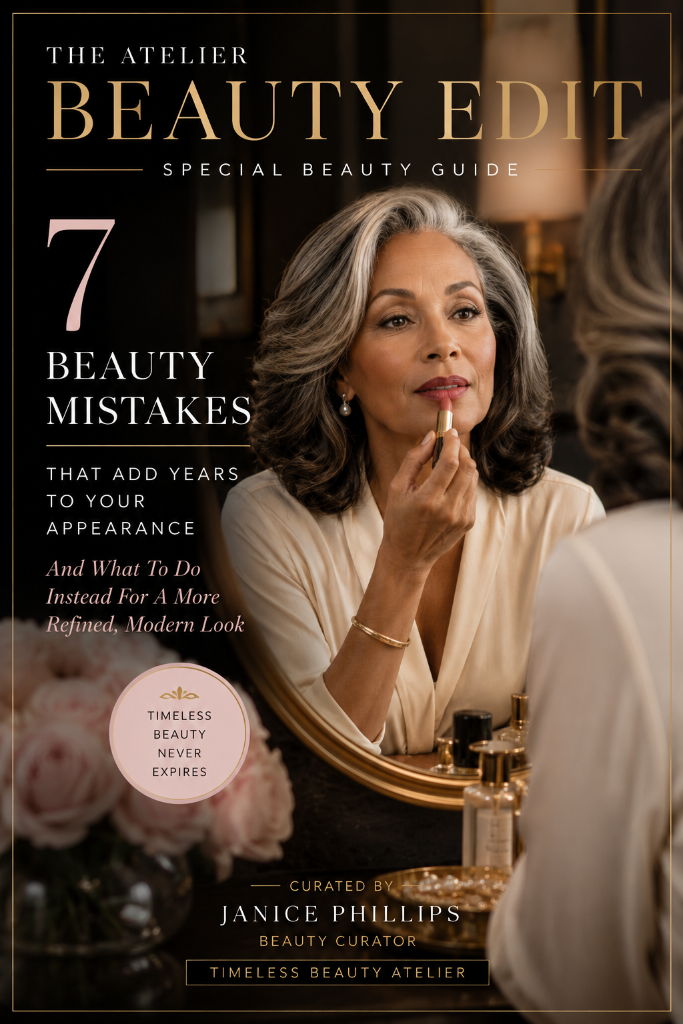
7 Beauty Mistakes That Add Years to Your Appearance
Learn seven common beauty habits that may unintentionally age your appearance—and the simple changes that can make a noticeable difference.
Continue Your Timeless Beauty Journey
Join the Timeless Beauty Atelier Society for beauty tips, skincare insights, exclusive offers, and monthly beauty inspiration designed for women who appreciate timeless elegance.